Nurse Calling System in a Hospital: The 2026 Definitive Guide
By Nurse Call Technology Editorial Team · 2 October 2026
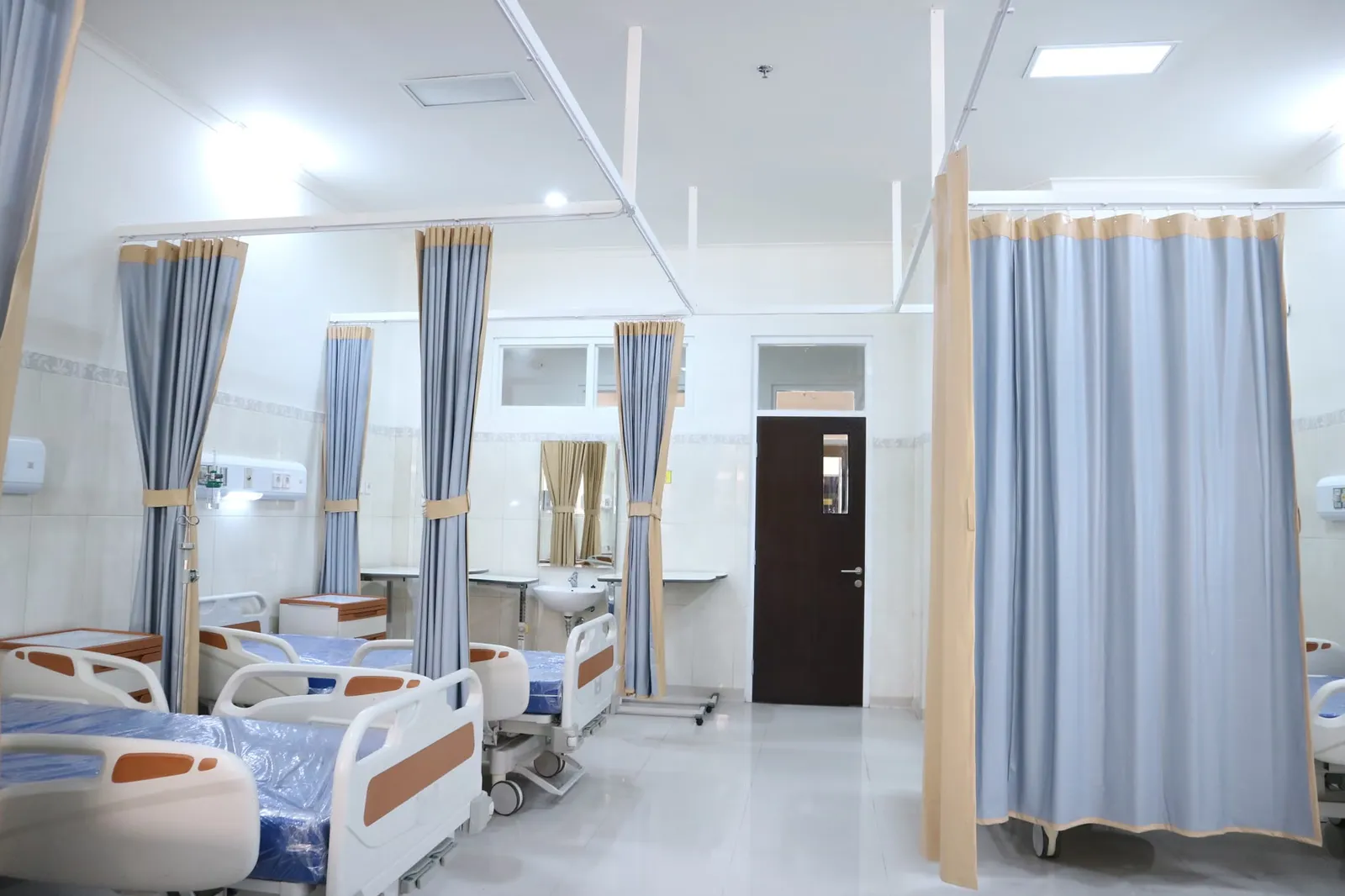
How a nurse calling system in a hospital works, which standards apply, the three main categories, and a framework for choosing the right one.
Nurse Calling System in a Hospital: How It Works, Which Standards Apply and How to Choose One
At 3 a.m. on a 30-bed ward, one call button can decide whether a patient who is getting out of bed is reached before they fall or after. That button only helps if the signal reaches the right nurse quickly. This guide explains how a nurse calling system in a hospital works, what each component does, and which standards govern it in Australia and North America. It also covers the three main system categories and gives you a scored framework for choosing and commissioning one.
By the Nurse Call Technology Editorial Team. Standards references were reviewed against publisher pages in October 2026. Standards change, so always confirm the current edition before you specify a project.
Contents- What is a nurse calling system in a hospital?
- How a hospital nurse call system works
- The three main categories of nurse call systems
- Standards: Australia and North America
- Choosing the best system: a scored framework
- Common mistakes hospitals make
- Commissioning and acceptance checklist
- FAQ
What is a nurse calling system in a hospital?
A nurse calling system in a hospital is safety-rated signalling equipment. Patients and staff use it to raise calls from beds, bathrooms and treatment areas. The system then shows each call, ranks it by urgency and sends it to the caregivers responsible for that patient. It also records when the call was raised, when someone answered, and when staff were present at the bedside.
A hospital nurse call system is different from a doorbell or a consumer alert pendant. It is designed as life-safety infrastructure. It supervises its own wiring or radio links, and it raises a fault alarm if a device drops offline. It also separates call types so that a toilet emergency is never confused with a request for water. For a broader introduction to call types and costs, see our complete guide to hospital signalling and nurse call equipment.
Hospital nurse call is also different from public health helplines that share the "nurse call" name. If you found this topic through a directory listing, our guide for directory users comparing helplines with nurse call systems explains the difference.
How a hospital nurse call system works
A hospital nurse call system works in a four-stage loop:
- Initiate. A patient or staff member presses a call point, or a connected device raises an alarm.
- Annunciate. The call appears on a corridor light, a ward display and staff handsets.
- Escalate. If nobody responds within a set time, the call goes to more staff.
- Cancel and record. The call is cleared at the bedside and logged for audit.
Cancelling a call at the bedside, rather than at the nurse station, is a design choice. It is what proves that a caregiver physically attended the patient.
Core components
Every hospital nurse call installation is built from a small set of components:
- Bedside call points and pillow speakers. Pillow speakers often add TV and light controls.
- Pull-cord call points. These sit in ensuites and toilets so patients can call for help where falls are common.
- Staff assist and code blue buttons. These use separate, higher-priority tones.
- Dome lights. These are corridor lights above each door, colour-coded by call type.
- Annunciators and master stations. These are the ward displays and consoles where staff see and manage calls.
- Middleware and integrations. These connect the system to handsets, real-time locating systems (RTLS), and bed-exit or fall-detection sensors.
Replacement devices and spares for these components are listed on our call points, annunciators and spare parts page.
Call priority hierarchy
A well-configured nurse calling system in a hospital uses at least four priority levels. From highest to lowest, these are:
- Code or emergency calls
- Staff assist and toilet calls
- Device alarms such as bed exit
- Routine patient calls
A higher-priority call must override a lower one on every display. If every call looks equally urgent on a screen, staff stop trusting the alerts and alarm fatigue sets in.
The three main categories of nurse call systems
The three main categories of nurse call systems are wired, wireless and hybrid. Wired systems run cabling to every device. Wireless systems use supervised radio links. Hybrid systems combine a wired backbone with wireless call points and handsets. Each suits different buildings, budgets and acuity levels.
| Factor | Wired | Wireless | Hybrid |
|---|---|---|---|
| Best fit | New builds, ICU, emergency department, high acuity | Retrofits, heritage buildings, aged care wings | Staged upgrades, mixed-acuity campuses |
| Supervision | Line monitoring of cabling | Radio check-ins and battery reporting | Both |
| Disruption during install | High in occupied wards | Low | Moderate |
| Ongoing maintenance | Low device upkeep | Battery replacement programme | Mixed |
| Main risk | Expensive to reconfigure | RF dead zones near lead-lined or concrete rooms | Integration complexity |
For deeper detail on each category, compare our hard-wired hospital nurse call systems with wireless nurse call options for retrofits. If you are deciding whether to rewire or reuse existing infrastructure, the retrofit vs new build decision guide sets out the trade-offs.
Standards: Australia and North America
In Australia, hospital nurse call design is guided by AS 3811 (Hard-wired patient alarm systems) together with state health facility guidelines. In North America, the main references are UL 1069 (hospital signalling and nurse call equipment) and NFPA 99 (Health Care Facilities Code). UL 2560 covers emergency call systems used in assisted living and independent living settings.
You can check the current scope and edition of NFPA 99 on the NFPA official standard page. Australian standards are published through Standards Australia. Australian projects also draw on the Australasian Health Facility Guidelines, which describe expected call point locations by room type. Confirm the edition date of each document before you lock in a specification, because tender documents often cite superseded versions.
Choosing the best system: a scored framework
No single nurse calling system is best for every hospital or nursing home. The best choice is the system that scores highest against your own acuity, building constraints and workflow, while meeting the required standards. The weighted framework below is the Nurse Call Technology method for scoring bids.
| Criterion | Weight | What earns full marks |
|---|---|---|
| Standards compliance | Pass/fail gate | Current listing or certification for the exact model offered |
| Clinical workflow fit | 25% | Assignment-based routing and configurable escalation |
| Reliability and supervision | 20% | Device-level fault reporting and failover |
| Integration | 20% | Documented interfaces to handsets, RTLS and beds |
| Reporting | 15% | Response-time data that staff can export, by ward and by shift |
| Lifecycle cost and support | 20% | Local spares, firmware roadmap and a clear service-level agreement |
Treat compliance as a gate rather than a weighted score. A non-compliant system cannot outscore a compliant one by doing well on other criteria. For a step-by-step method of proving that a system performs in real use, read our guide to choosing and testing a nurse call tool. To get pricing for your own floor plan, ask Nurse Call Technology for a costed scope.
Common mistakes hospitals make
Most nurse call failures come from configuration and planning, not from faulty hardware. These are the mistakes we see most often:
- Routing calls by room instead of by staff assignment. Calls end up with nurses who are not caring for that patient.
- Escalation timers set too long. Unanswered calls wait too long before reaching backup staff, and nobody reviews the timers against response data.
- No RF survey before a wireless deployment. Imaging suites and plant rooms often block signals and create dead zones.
- Toilet pull cords cut short or tied up. A patient who has fallen to the floor can no longer reach the cord.
- Battery replacement left to chance. Wireless devices need a scheduled replacement programme, not ad hoc fixes after failures.
If your current system shows these symptoms, our upgrade and retrofit decision guide helps you decide whether to reconfigure the existing system or replace it. If your residential wing has its own needs, see our aged care installation guide.
Commissioning and acceptance checklist
Do not accept a nurse calling system in a hospital until every device has been tested from end to end and the test has been documented. Use this checklist at handover:
- Activate every call point and confirm that the correct room, bed and priority appear on every display.
- Disconnect a sample of devices, or weaken their signal, and confirm that fault alarms appear.
- Let a call go unanswered and confirm that each escalation tier fires on time.
- Confirm that calls can only be cancelled in the room where they were raised.
- Run a sample call through every integration, including handsets, RTLS and beds.
- Export a response-time report and check its timestamps against your test log.
- File as-built drawings, device schedules and a staff training sign-off.
FAQ: Nurse calling systems in hospitals
What are nurse call systems?
Nurse call systems are safety signalling networks that let patients and staff request help. The system shows each call, ranks it by priority, routes it to the right caregivers and records how quickly they responded.
What is the Australian standard for nurse call systems?
AS 3811 is the main Australian standard for hard-wired patient alarm systems. Projects apply it together with the Australasian Health Facility Guidelines and any state-specific requirements.
What are the three main categories of nurse call systems?
The three main categories are wired, wireless and hybrid systems. Wired systems suit high-acuity new builds, wireless systems suit retrofits, and hybrid systems suit hospitals upgrading in stages.
What is the best nurse call system for hospitals and nursing homes?
The best system is the compliant option that scores highest against your own workflow, building constraints and lifecycle cost. Hospitals usually put more weight on integration and escalation. Nursing homes usually put more weight on fall alerts and ease of retrofit.
Why must a call be cancelled at the bedside?
Cancelling at the bedside proves that a caregiver physically attended the patient. It also stops calls from being dismissed remotely without anyone going to the room.
How often should a hospital nurse call system be tested?
Test the system at commissioning, then on a documented schedule set by the applicable standard, the manufacturer and your facility's policy. Retest after any firmware update, ward reconfiguration or new integration.
Review note: This guide is reviewed regularly by the Nurse Call Technology Editorial Team. Standards editions and certification requirements change, so verify current documents with the issuing body before procurement.
Keep reading
More from Nurse Call Technology: