Wireless Nurse Call Systems for Retrofits and Aged Care
Battery-powered call points, pendants and pull cords send a call by radio to receivers and displays. No cable between rooms, no chasing walls, no residents moved out while the work happens.
Why wireless
What going wireless changes
Four practical differences that decide most retrofit projects before anything else is discussed.
- Calls travel by radio to receivers
- No cable runs
- Fit one wing, put it into
- Wing by wing
- Rooms stay in use while devices
- Occupied buildings
- We quote for care providers, contractors
- Australia & overseas
How we work
A clear path from first conversation to finished work.
Wired Nurse Call Systems
Hardwired nurse call solutions for new builds and major refurbishments, covering room call points, corridor displays and central annunciation across wards, wings and whole facilities.
Wireless Nurse Call Systems
Radio-based nurse call setups suited to retrofits, heritage buildings and staged rollouts where cabling is impractical, including pendants, pull cords and portable receivers.
Call Points, Alarms and Annunciators
Patient call buttons, bedhead units, ensuite pull cords, staff attendance points, overdoor lights and audible or visual alarm devices to suit a range of care environments.
Accessories, Spares and Replacement Parts
Supporting components such as leads, pendants, mounting plates, power supplies and replacement modules to maintain or expand systems already in service.
What we cover
The work, laid out so you can see how the pieces fit.
Wired Nurse Call Systems
Hardwired nurse call solutions for new builds and major refurbishments, covering room call points, corridor displays and central annunciation across wards, wings and whole facilities.
Wireless Nurse Call Systems
Radio-based nurse call setups suited to retrofits, heritage buildings and staged rollouts where cabling is impractical, including pendants, pull cords and portable receivers.
Call Points, Alarms and Annunciators
Patient call buttons, bedhead units, ensuite pull cords, staff attendance points, overdoor lights and audible or visual alarm devices to suit a range of care environments.
Accessories, Spares and Replacement Parts
Supporting components such as leads, pendants, mounting plates, power supplies and replacement modules to maintain or expand systems already in service.
The components
What makes up a wireless setup
A wireless installation is built from a handful of parts. Here is what each one does and where it usually goes.
Pendants
Worn on a lanyard or wrist so a resident can call from anywhere in range — lounge, garden or bedroom, not just the bed.
Ensuite pull cords
Mounted in bathrooms and shower rooms where falls are most likely. The cord reaches the floor so a call can still be made after a fall.
Call points
Bedhead and room buttons, plus staff attendance points so an attending carer can cancel the call and log presence at the door.
Portable receivers
Handheld or pocket units that show which resident called and from where, so staff are not tied to a corridor display.
Alarms and annunciation
Overdoor lights, audible sounders and annunciator displays that turn a radio call into something staff can see and hear on the floor.
Wired or wireless
New builds and major refurbishments usually favour hardwired call points and central annunciation. Wireless earns its place where cabling is the problem, not the solution.
Applications
Where wireless nurse call systems suit
The buildings and situations where a radio-based nurse call system upgrade or retrofit is the sensible choice.
Aged care and residential care homes
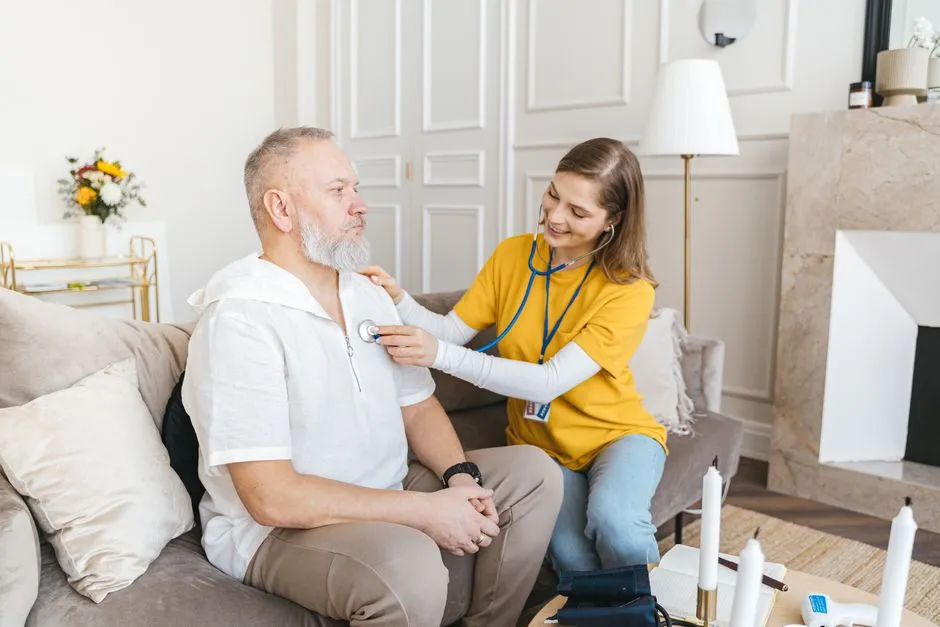
Rooms stay occupied through the work. Pendants let residents call from the lounge or garden, and ensuite pull cords cover the highest-risk spot in the room.
Heritage buildings
Where lifting floors or cutting into plaster is impractical or simply not allowed, radio devices are surface mounted and can be removed without leaving a mark.
Assisted living and clinics
Smaller sites and self-contained units often need coverage without a central cabling scheme. Portable receivers suit teams that move between buildings.
Hospital areas under refurbishment
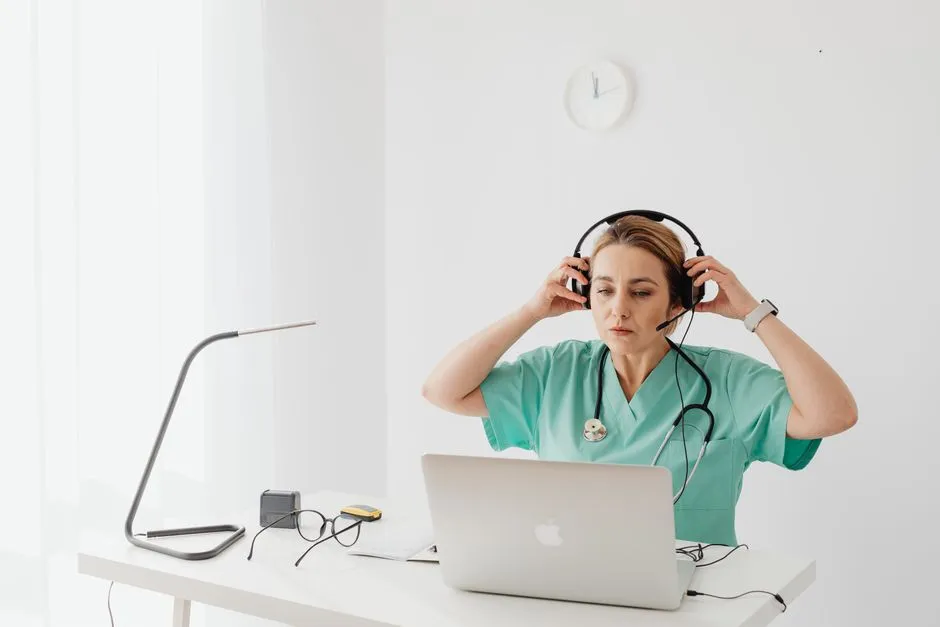
A ward being stripped back still needs a working call system in the sections that remain open. Wireless devices move with the programme.
Extending a system already in service
Adding a new wing, a day room or an outdoor area an existing system never reached? We also supply accessories, spares and replacement parts to keep older installations running.
Tell us about the building
Send us the room count, the areas to cover and anything already installed. We will help you shortlist the right devices and quote on them. Enquiries welcome from projects in Australia and overseas.
Straight answers
Three questions we are asked most
Frequently Asked Questions
- How does a wireless nurse call system actually work?
- A resident presses a pendant, a bedhead call point or a pull cord. That device is battery powered and sends the call by radio rather than down a cable. Receivers, overdoor lights and annunciator displays pick the call up and show staff who is calling and from where. The cabling that would normally link every room back to a panel is not needed.
- Can we add wireless to the system we already have?
- Often, yes. Extending coverage into a new wing, a day room or an outdoor area is one of the most common reasons people move to radio devices. We also supply accessories, spares and replacement parts, so an installation already in service can be maintained and expanded rather than replaced.
- How do we get a price for a retrofit?
- Send us the number of rooms, the areas that need covering and details of any existing equipment. We will work through the device list with you and quote against it. We supply buyers, contractors and installers, and we take enquiries from healthcare and care projects in Australia and overseas.